How to Optimise Your Website
5 min read | Published: Dec 10, 2025 | Last updated: Dec 10, 2025

Alliana Borcena
|Head of Support
WordPress expert that oversees 500+ monthly support requests to ensure customer websites remain fast, secure and successful.
In the digital age, the success of a business significantly hinges on the effectiveness of its online presence.
A well-optimised website not only enhances visibility on search engines but also improves user engagement and conversion rates.
This article delves into the essential strategies for website optimisation, covering technical SEO, content management, and user experience enhancements.
Each strategy is discussed with practical examples and step-by-step guides, ensuring that even complex processes are easily understandable and actionable.
#1. Technical SEO Improvements
Technical SEO lays the foundation for a website's online visibility and usability. The cornerstone of technical SEO is a well-structured site that allows both users and search engines to navigate with ease.
Site Structure and Indexing
- Flat Site Structure: Implement a flat architecture to ensure that important pages are only a few clicks away from the homepage, which not only improves user experience but also distributes page authority more evenly across the site.
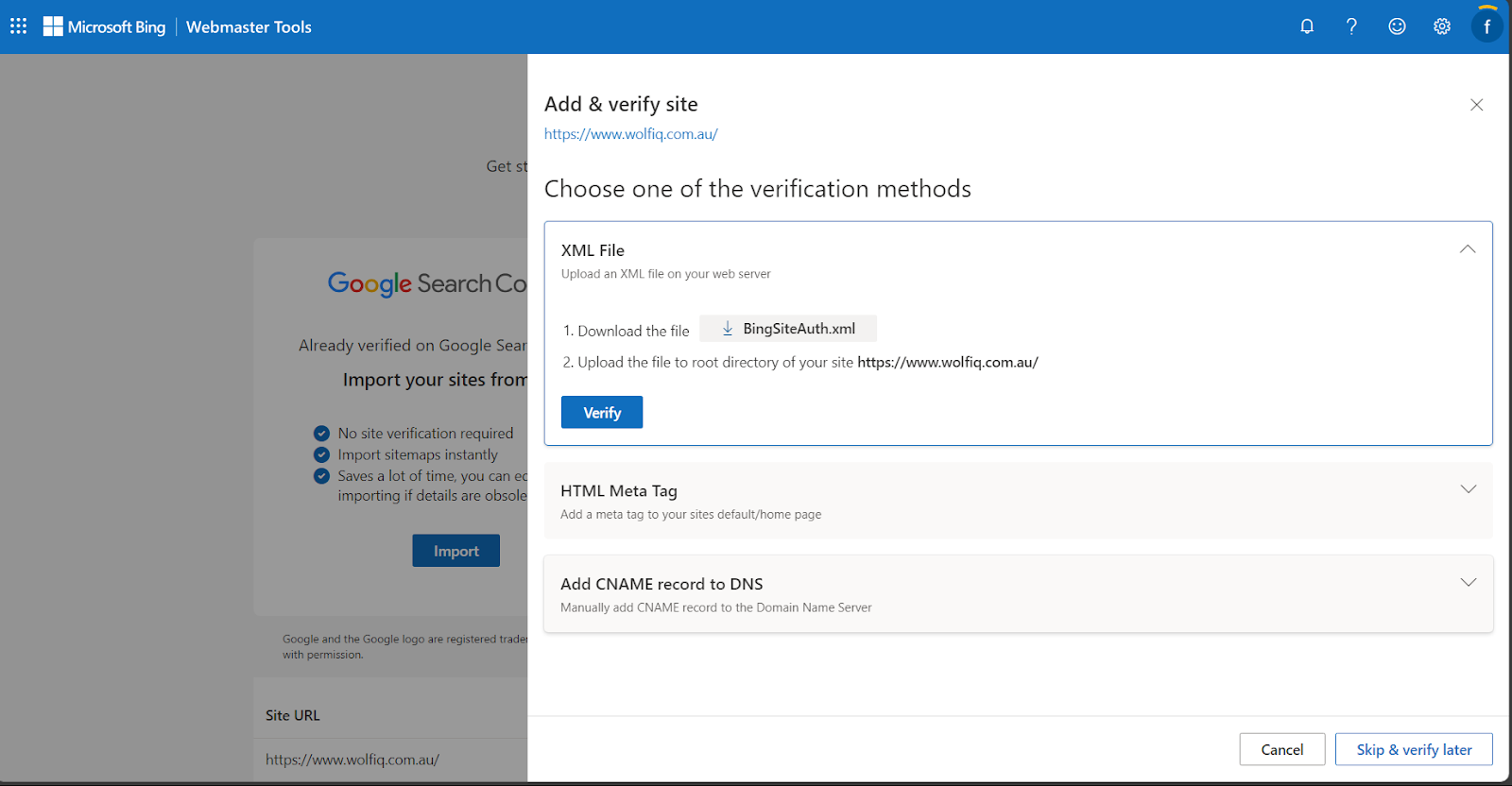
- XML Sitemaps: Create and submit an XML sitemap to search engines. This acts as a roadmap of your website's content, guiding search engines to more efficiently index your pages.
Crawl Efficiency
Optimise how search engines crawl and index your website:
- Consistent URL Structure: Use a logical and consistent format for URLs to help search engines understand and index your site's structure.
- Robots.txt: Direct web crawlers with a robots.txt file to ensure they index relevant pages while avoiding those that do not contribute to your SEO goals.
#2. Content Optimization for SEO
High-quality, well-structured content is pivotal to attracting and retaining website visitors.
Keyword Integration
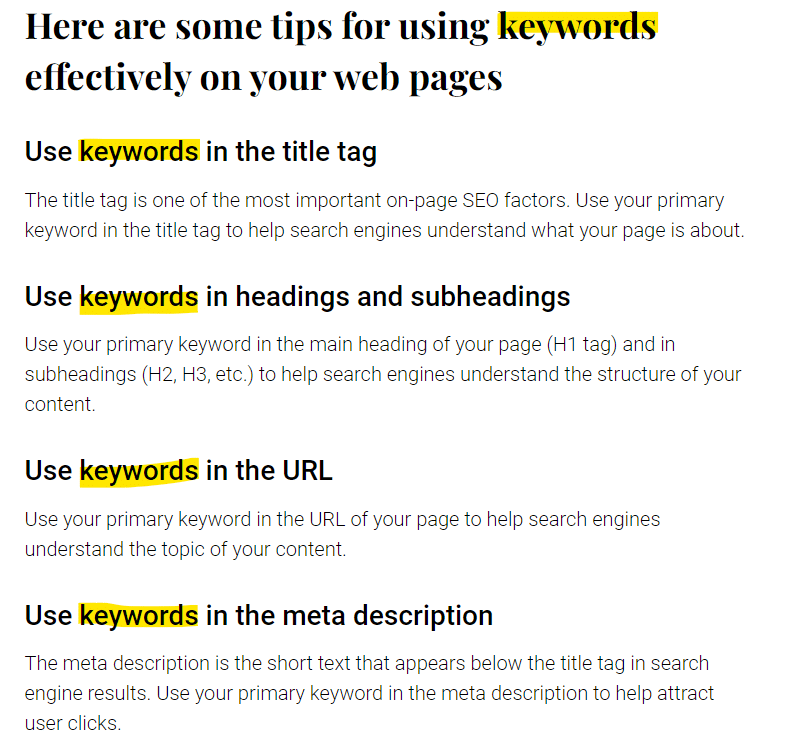
- Target Keywords: Conduct thorough keyword research to identify terms that your target audience frequently searches for, and strategically incorporate them into your content, titles, and meta descriptions.
Structured Content
- Header Tags: Use header tags (H1, H2, H3) to structure your content clearly. This not only helps with readability but also boosts your SEO by highlighting key topics.
#3. Using Schema Markup
Schema markup is a powerful tool that helps search engines understand the content of your website, potentially enhancing your visibility in search results with rich snippets.
Implementation Guide
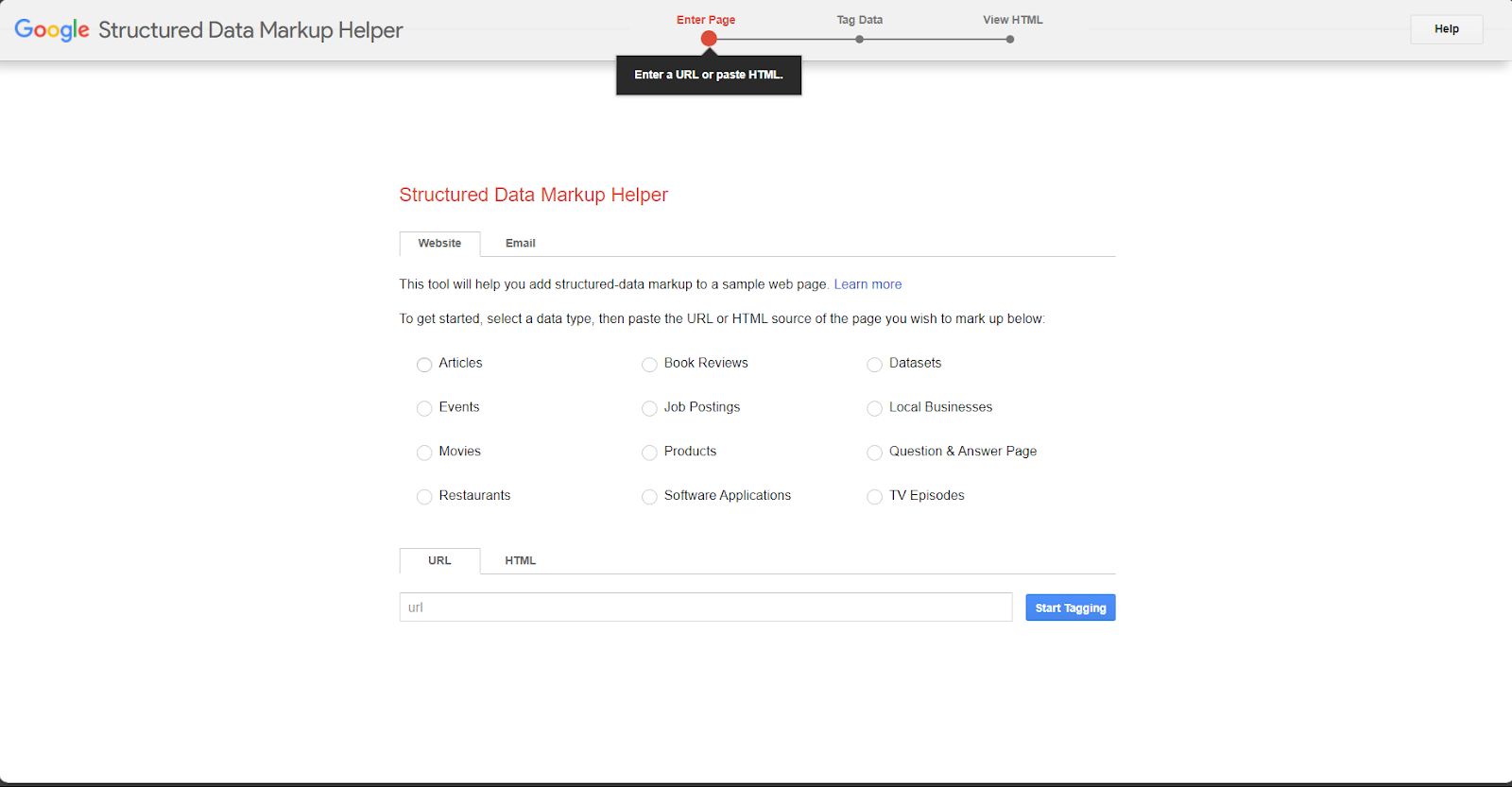
- Step-by-Step Schema Application: Choose the relevant schema type (e.g., product, review, event) and apply it using tools like Google's Structured Data Markup Helper. This can lead to enhanced displays in search results, such as star ratings for products or upcoming event details.
#4. Enhancing User Experience (UX)
A seamless user experience (UX) can significantly affect both the retention and conversion rates on your website.
Mobile Optimization
- Responsive Design: Ensure your website is responsive, automatically adjusting its layout to fit different screen sizes and orientations. This is crucial as mobile browsing continues to rise.
Navigation and Accessibility
- Accessible Design: Aim for a design that accommodates all users, including those with disabilities, by incorporating accessibility features such as keyboard navigation and screen reader compatibility.
#5. Conversion Optimization Techniques
Optimising for conversions means fine-tuning your website to enhance the actions you want users to take, from signing up for a newsletter to making a purchase.
Effective CTAs
- Call-to-Action Optimization: Place CTAs prominently on your page and test different versions (e.g., button colours, text) to determine which ones lead to higher conversion rates.
#6. Speed Optimization
Page speed is a critical factor in both search rankings and user experience.
Speed Enhancement Techniques
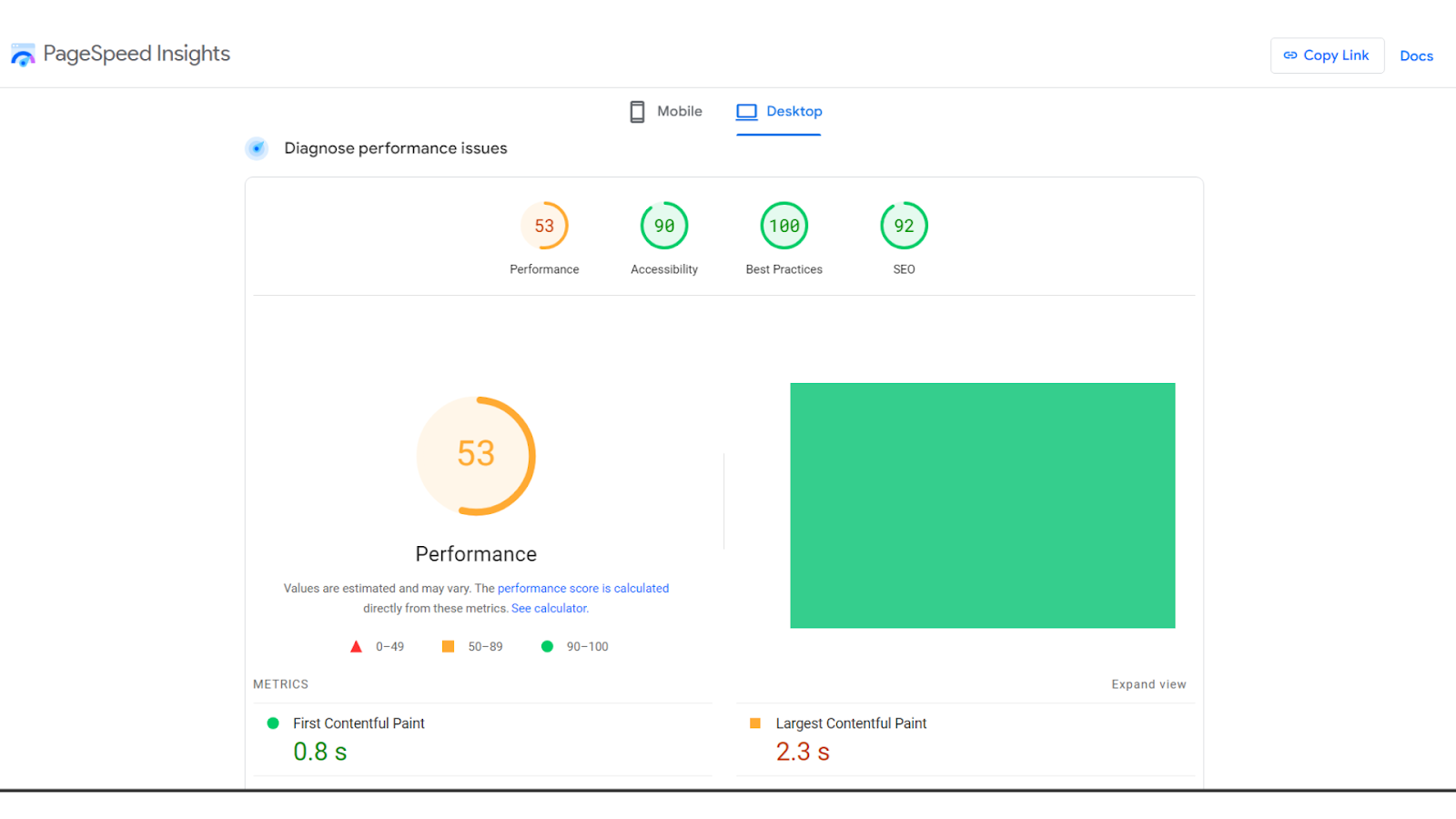
- Minimize Load Times: Compress images, minify CSS and JavaScript, and leverage browser caching to improve page loading times. Tools like Google PageSpeed Insights provide specific recommendations for improving your website's speed.
#7. Mobile Optimization
Given the prevalence of mobile internet usage, ensuring your website is mobile-friendly is non-negotiable.
Responsive Design
- Adaptive Layouts: Use fluid grid layouts that accommodate any device, enhancing the user experience and supporting SEO efforts under Google's mobile-first indexing.
Conclusion
Optimising your website is crucial for enhancing visibility, user experience, and conversion rates. Implementing the strategies discussed will help you meet your digital marketing goals efficiently.
For specialized support, consider partnering with Wolf IQ. Our expertise in digital strategy ensures your website not only meets but exceeds performance standards.
Enhance your website's optimisation with Wolf IQ and stay competitive in the digital landscape.
Get started with a free consultation today
Don't just settle for a website. Thrive online with Wolf IQ.
Get in Touch Trusted by 500+ businesses
Education
Better resources, better decisions
Discover Wolf IQ's resource hub for articles and guides to growing your business online.
Is SEO Dead? What business owners need to know about Google's new AI Overview
With Google's AI Overviews taking over search, small businesses are shifting away from keyword chasing.
Learn More →
What is Local SEO and how does it work?
Local SEO helps businesses appear in searches relevant to their location, driving nearby customer traffic.
Learn More →
13 mistakes small business owners make with their website
Common website mistakes include slow load times, poor navigation, and weak calls to action.
Learn More →
Why does your website need to be mobile-first?
Mobile traffic now makes up the majority of website visitors. Here is what you need to know about responsive design.
Learn More →
8 Ways Small Business Owners Get Website Optimisation Wrong
Many small businesses overlook key factors like page speed, mobile responsiveness, and SEO, limiting their online impact.
Learn More →
What is Website Optimisation?
See some key examples where speed, design, and content can amplify your online success.
Learn More →