Is Your Medical Website AHPRA Compliant? A Guide for Clinics and Practitioners
5 min read | Published: Dec 18, 2025 | Last updated: Dec 18, 2025

Alliana Borcena
|Head of Support
WordPress expert that oversees 500+ monthly support requests to ensure customer websites remain fast, secure and successful.
Australia’s healthcare system relies on strict regulations to ensure public safety and practitioner competency — and that includes how clinics present themselves online.
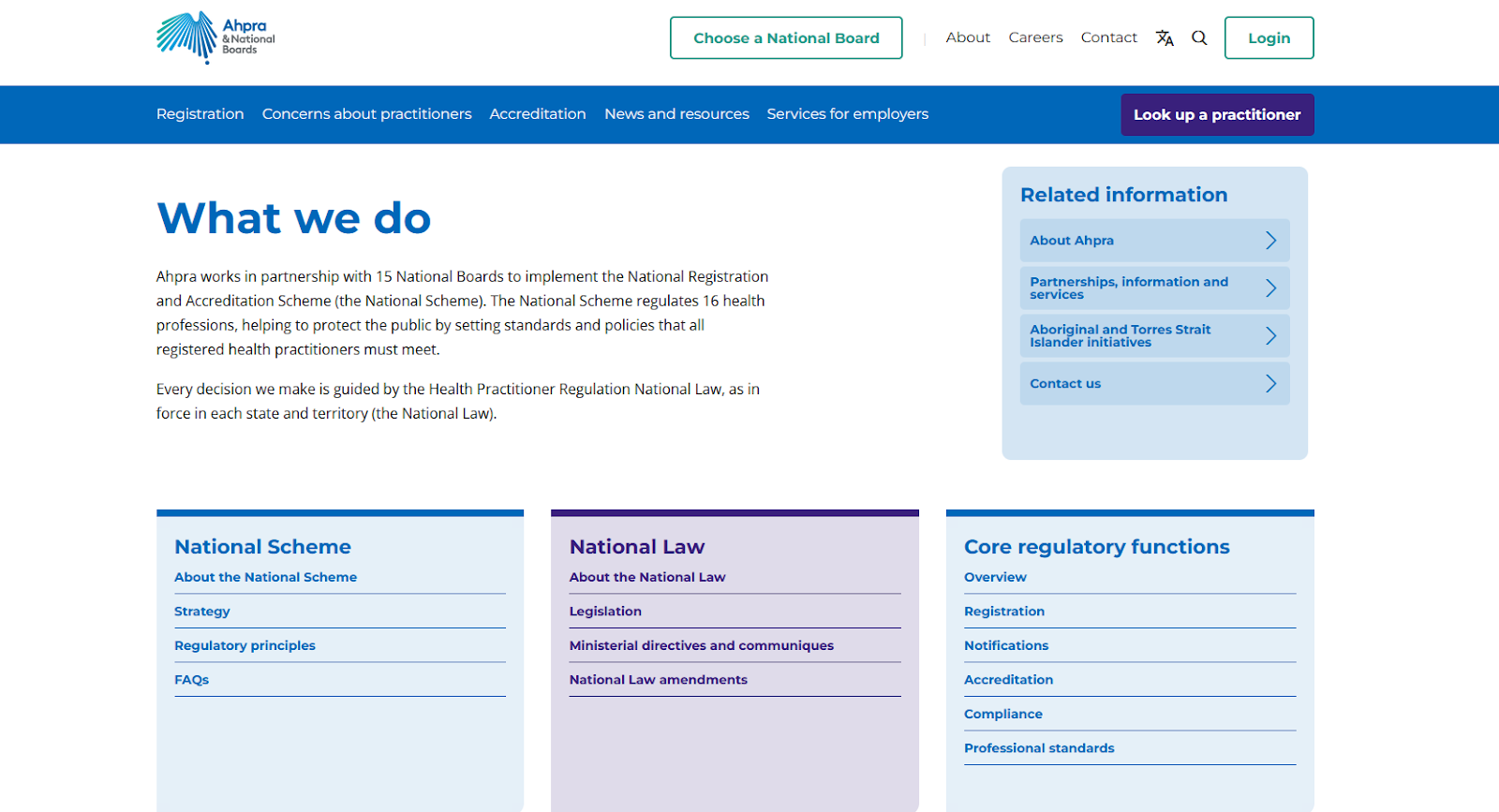
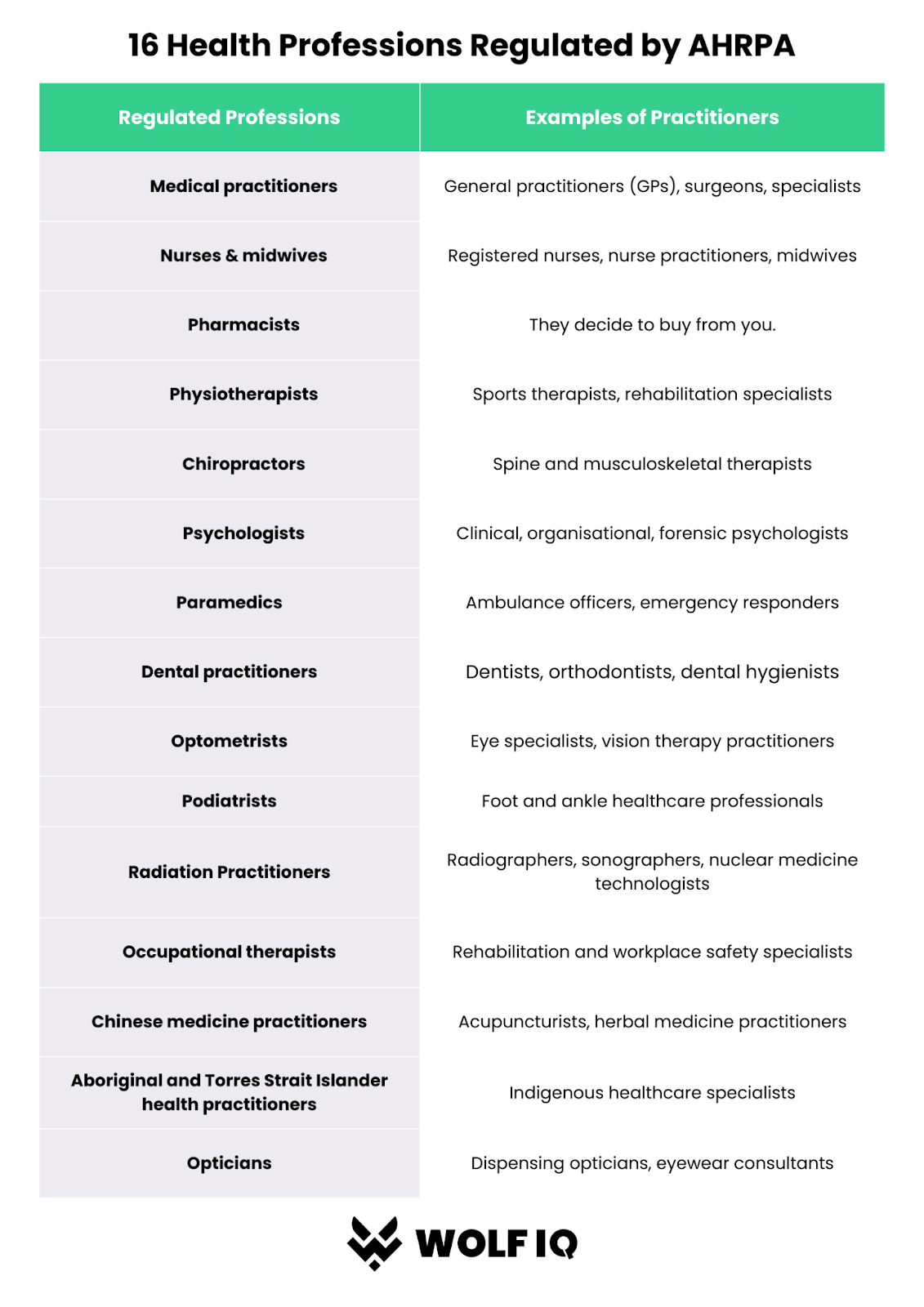
The Australian Health Practitioner Regulation Agency (AHPRA) oversees 16 health professions, ensuring they meet national legal, ethical, and professional standards.
If you manage a medical website — whether as a practitioner, clinic owner, or industry provider — understanding AHPRA’s role is essential to staying compliant.
In this guide, we break down what AHPRA compliance means for websites, how it affects digital content, and what clinics and practitioners need to know to avoid common mistakes.
Why Website Compliance with AHPRA Matters for Clinics and GPs
In Australia, your website is considered a form of advertising under AHPRA guidelines. This means everything from your service descriptions to practitioner bios must meet strict standards.
Using unapproved titles, sharing testimonials, or making misleading claims online can result in complaints, investigations, or fines.
If you run a clinic or health practice, ensuring your website is AHPRA-compliant is key to staying on the right side of the regulations and maintaining trust with patients.
What Is AHPRA?
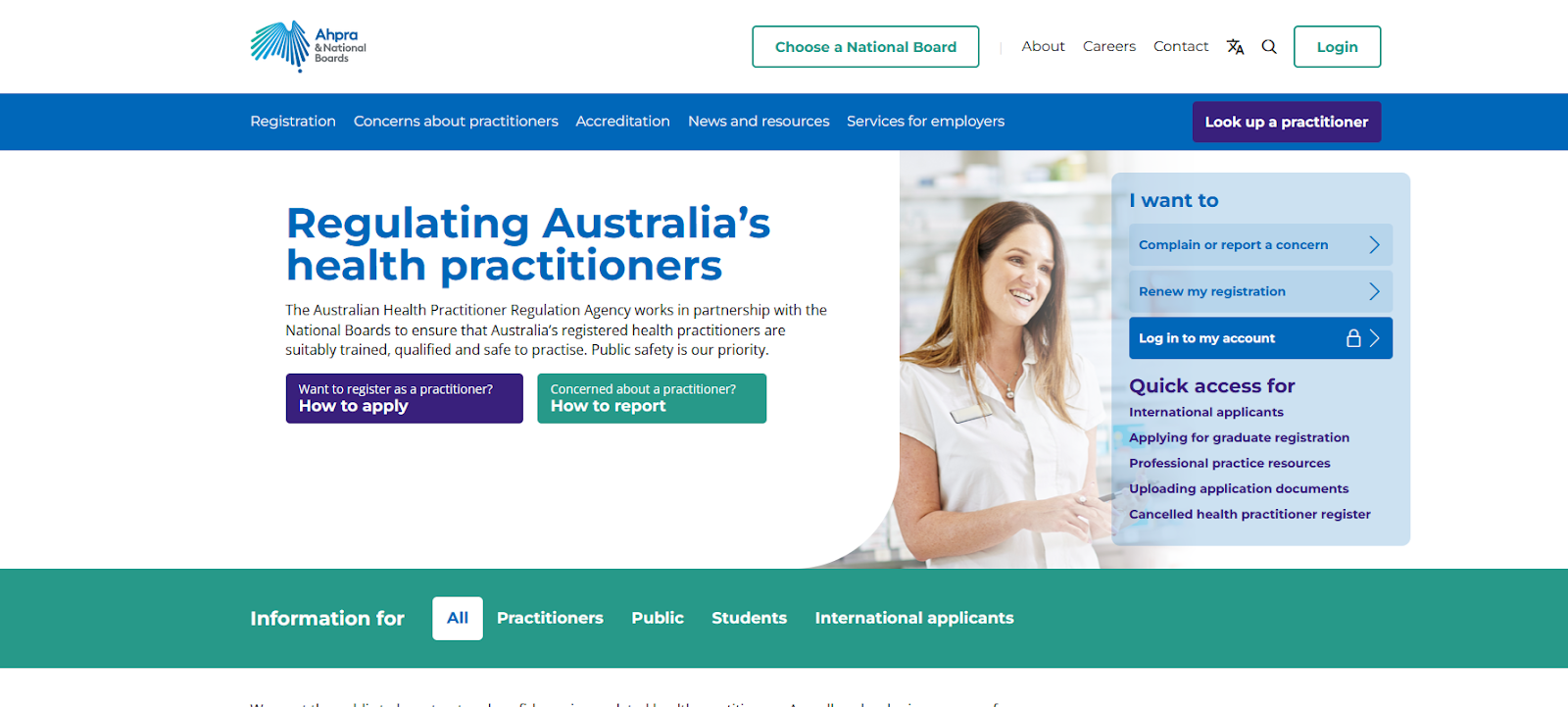
AHPRA is Australia’s primary health regulation body, responsible for registering and monitoring health practitioners across multiple professions.
It ensures practitioners meet national competency, safety, and ethical standards, protecting the public from unqualified or unsafe healthcare providers.
How Was AHPRA Established?
AHPRA was formed in 2010 under the Health Practitioner Regulation National Law, creating a unified system across all Australian states and territories.
Before its establishment, health professions were regulated separately in each jurisdiction, leading to inconsistencies.
AHPRA’s Mission
AHPRA’s primary mission is to ensure that all registered health practitioners:
- Are appropriately qualified and trained.
- Follow professional codes of conduct and ethics.
- Provide safe and competent healthcare to the public.
Roles and Responsibilities of AHPRA
AHPRA operates similarly to a quality control body, ensuring that every healthcare provider adheres to established guidelines.
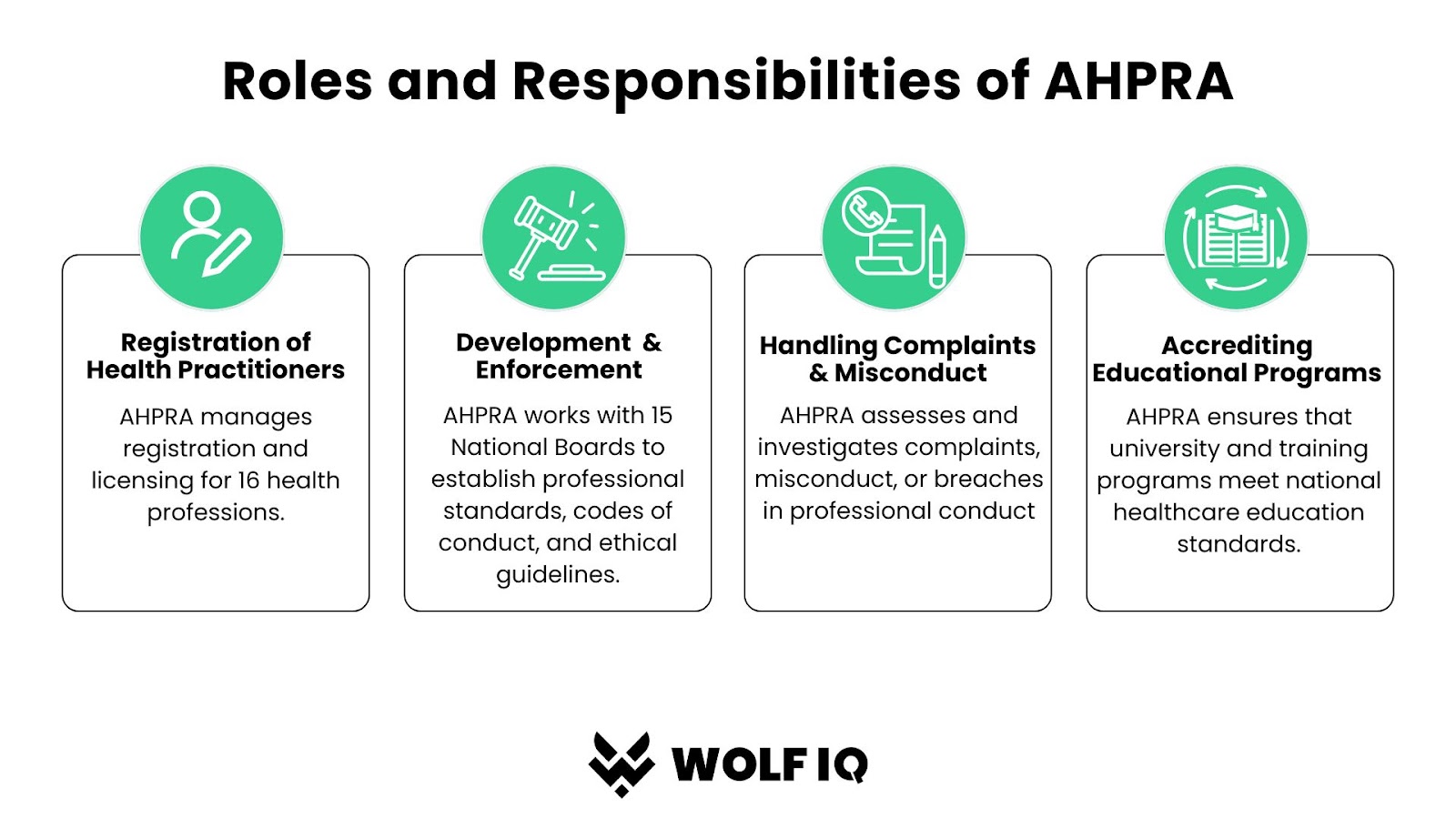
Its key responsibilities include:
#1. Registration of Health Practitioners
AHPRA manages registration and licensing for 16 health professions. To become registered, a practitioner must:
- Complete an approved qualification from an accredited institution.
- Pass competency assessments set by the respective National Board.
- Meet good character and ethical standards.

For example, a nurse seeking registration must hold an accredited nursing degree and meet professional conduct requirements before being added to the public register of health practitioners.
#2. Development and Enforcement of Standards
AHPRA works with 15 National Boards to establish professional standards, codes of conduct, and ethical guidelines.
These boards oversee different professions and ensure compliance through audits and evaluations.
#3. Handling Complaints and Misconduct
AHPRA assesses and investigates complaints, misconduct, or breaches in professional conduct. This can involve:
- Performance reviews for practitioners with competency concerns.
- Health assessments for practitioners with medical conditions affecting their practice.
- Disciplinary action, including suspensions or de-registrations for serious violations.
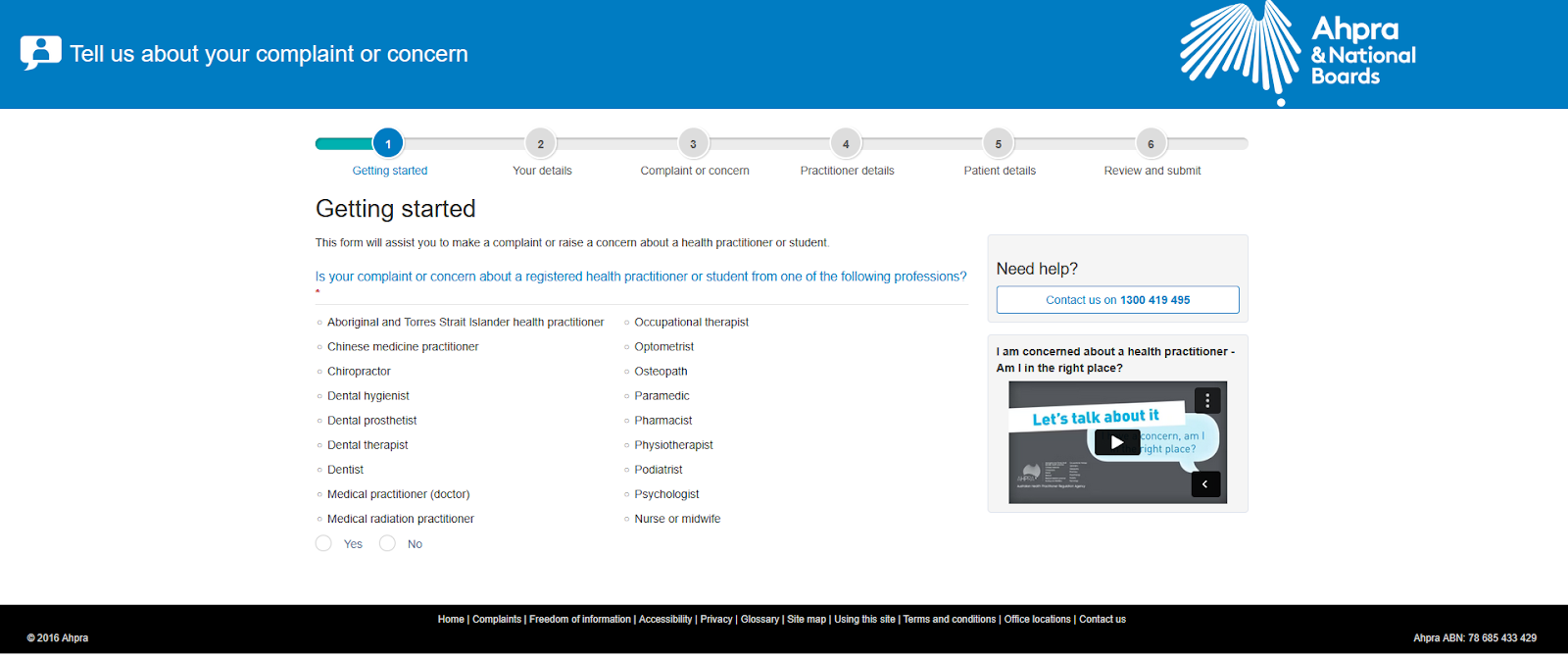
For instance, if a patient reports a concern about a physiotherapist, AHPRA may conduct an investigation, request clinical records, and work with the Physiotherapy Board of Australia to determine appropriate actions.
#4. Accrediting Educational Programs
AHPRA ensures that university and training programs meet national healthcare education standards. Accreditation is crucial because it guarantees that graduates entering the workforce have received competent and up-to-date training.
Health Professions Regulated by AHPRA
AHPRA regulates 16 health professions, ensuring compliance with Australian healthcare standards.
AHPRA’s Regulatory Framework
National Health Practitioner Regulation Law
AHPRA operates under the Health Practitioner Regulation National Law, ensuring consistent healthcare regulation across all states and territories.
Partnership with National Boards
Each health profession is governed by a National Board that works with AHPRA to:
- Set entry requirements for registration.
- Develop professional standards and conduct guidelines.
- Investigate and manage complaints and fitness-to-practice cases.
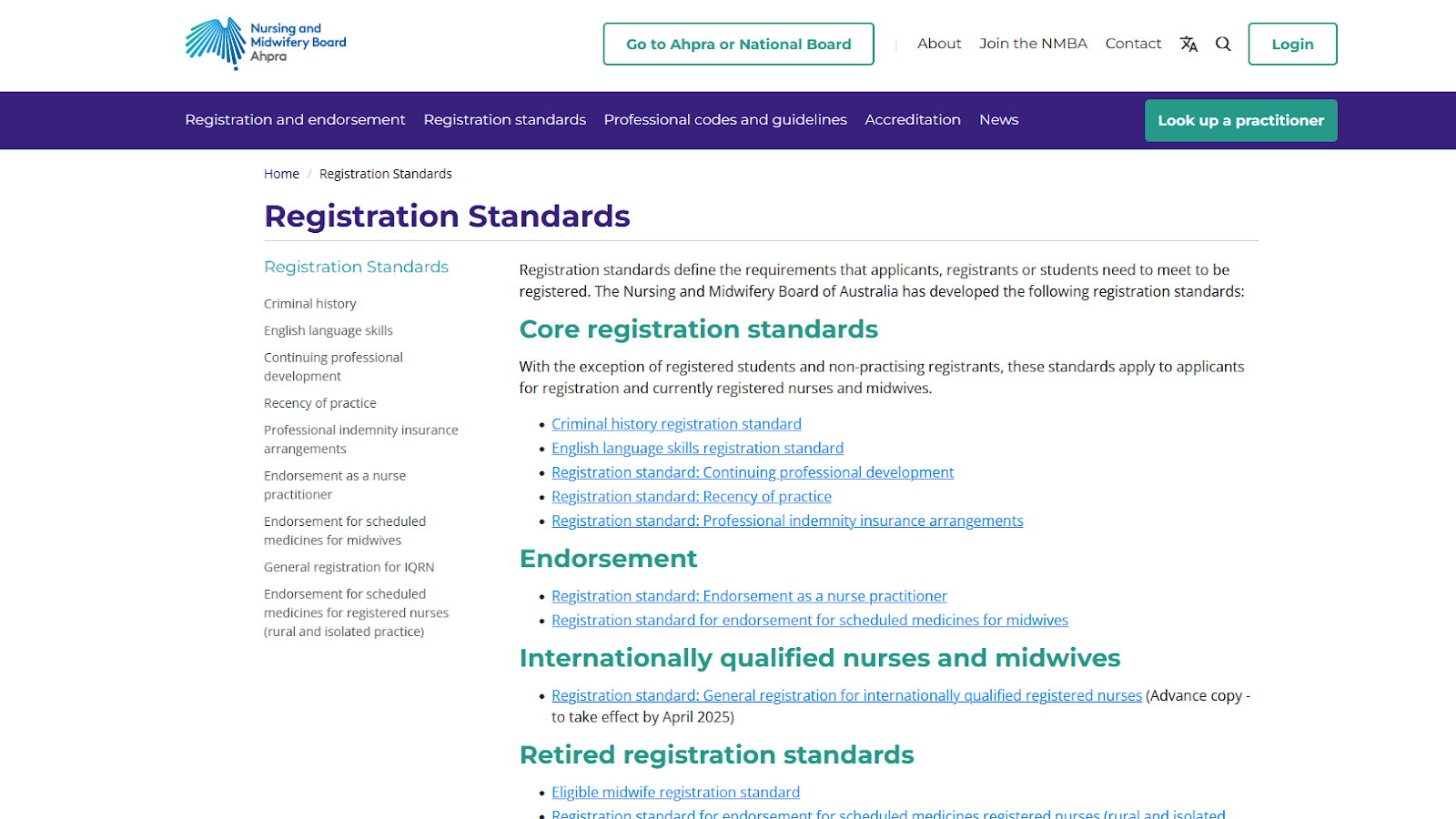
For example, the Nursing and Midwifery Board of Australia sets registration standards for nurses, ensuring that only qualified professionals provide care.
Impact of AHPRA on Healthcare in Australia
AHPRA plays a crucial role in maintaining healthcare quality and patient safety by ensuring all registered practitioners meet national competency, ethical, and professional standards.

Ensuring Practitioner Competence
AHPRA ensures high competency levels through:
- Annual registration renewals require proof of continued learning.
- Random audits of practitioners to verify compliance.
- Mandatory professional development courses for skill updates.
Maintaining Public Trust and Safety
By enforcing strict registration and complaint-handling processes, AHPRA plays a crucial role in maintaining public confidence in Australian healthcare.
For example, if a pharmacist violates ethical standards, AHPRA’s disciplinary system ensures swift action, preventing unsafe practices.
Continuous Professional Development (CPD)
AHPRA requires practitioners to engage in ongoing education. CPD activities may include:
- Workshops and seminars.
- Online training programs.
- Supervised practice sessions.
This ensures healthcare providers stay updated with the latest medical advancements.
Challenges and Future Developments
AHPRA continuously adapts to emerging healthcare trends, workforce demands, and evolving regulatory expectations to ensure effective oversight and public trust.
Adapting to Emerging Healthcare Needs
AHPRA must evolve with industry changes, including:
- Digital health innovations (e.g., telehealth regulation).
- Workforce shortages, particularly in regional areas.
- Increasing public scrutiny on professional accountability.
Reforming Regulatory Processes
Ongoing reviews seek to improve:
- Faster complaint resolution to address practitioner concerns efficiently.
- More streamlined registration pathways for internationally trained professionals.
- Increased transparency in decision-making processes.
Conclusion
AHPRA is central to maintaining professional standards, protecting public health, and regulating healthcare practitioners in Australia.
Understanding how AHPRA functions helps professionals navigate the industry more effectively.
Looking to create a website for your medical practice? Wolf IQ has worked with multiple medical industries across Australia to deliver high-performing, compliant, and patient-focused digital solutions.
Get started with a free consultation today
Don't just settle for a website. Thrive online with Wolf IQ.
Get in Touch Trusted by 500+ businesses
Education
Better resources, better decisions
Discover Wolf IQ's resource hub for articles and guides to growing your business online.

Is SEO Dead? What business owners need to know about Google's new AI Overview
With Google's AI Overviews taking over search, small businesses are shifting away from keyword chasing.
Learn More →
What is Local SEO and how does it work?
Local SEO helps businesses appear in searches relevant to their location, driving nearby customer traffic.
Learn More →
13 mistakes small business owners make with their website
Common website mistakes include slow load times, poor navigation, and weak calls to action.
Learn More →
Why does your website need to be mobile-first?
Mobile traffic now makes up the majority of website visitors. Here is what you need to know about responsive design.
Learn More →
8 Ways Small Business Owners Get Website Optimisation Wrong
Many small businesses overlook key factors like page speed, mobile responsiveness, and SEO, limiting their online impact.
Learn More →
What is Website Optimisation?
See some key examples where speed, design, and content can amplify your online success.
Learn More →