What to Ask Before Hiring an SEO Agency for Medical Marketing
5 min read | Published: Dec 10, 2025 | Last updated: Dec 10, 2025

Alliana Borcena
|Head of Support
WordPress expert that oversees 500+ monthly support requests to ensure customer websites remain fast, secure and successful.
An online presence is essential for medical practices.
Without effective search engine visibility, patients may struggle to find accurate information about your services, contact details, or clinic location.
A medical SEO agency can help bridge that gap, but choosing the right one is key.
This guide outlines practical, compliance-conscious questions to ask before engaging a medical SEO provider in Australia, as well as what you should expect from their services.
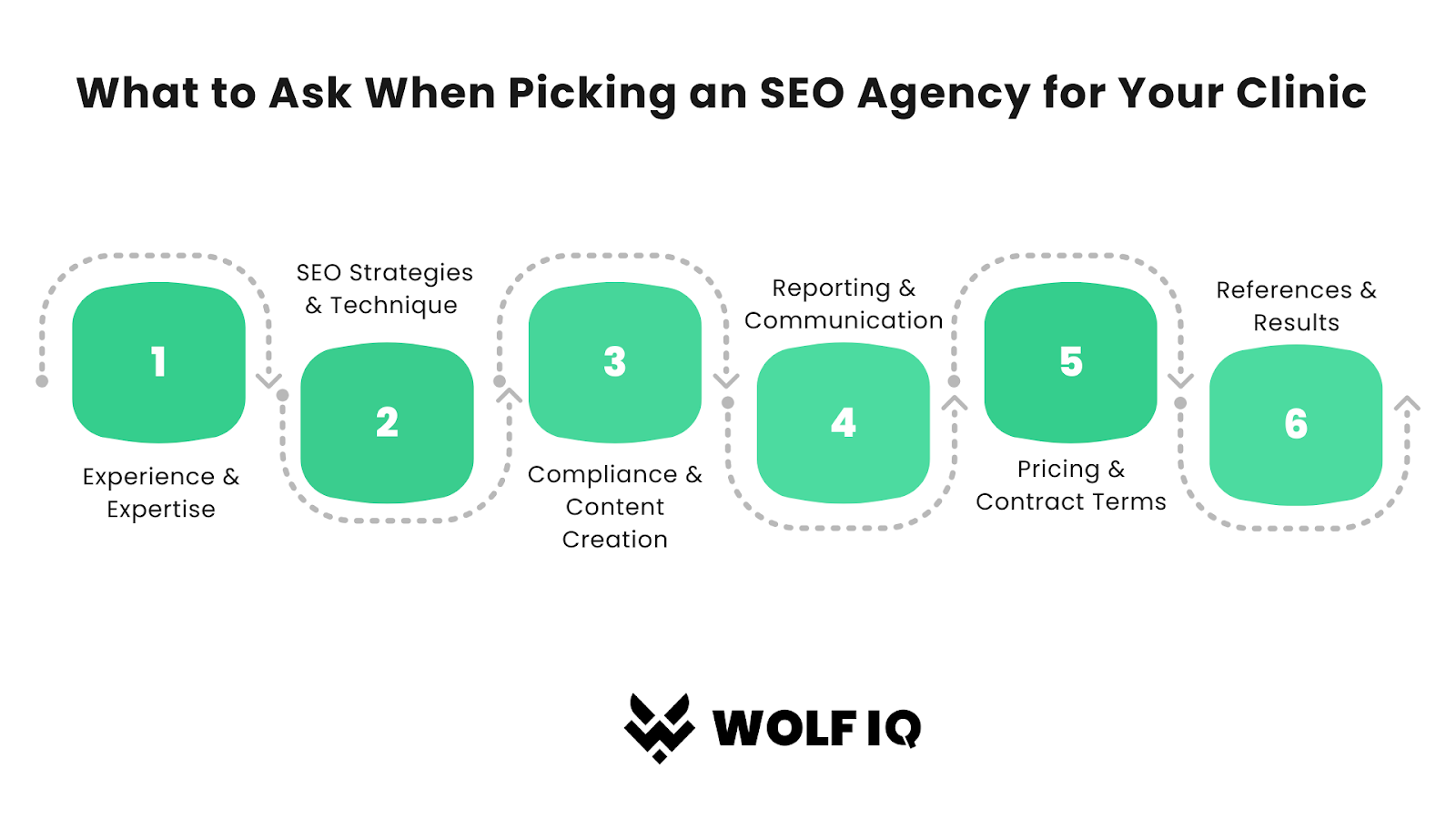
#1. Experience and Expertise
Medical SEO is a specialised service that requires an understanding of healthcare regulations and patient needs.
Ask:
- How long have you worked with medical or allied health clients?
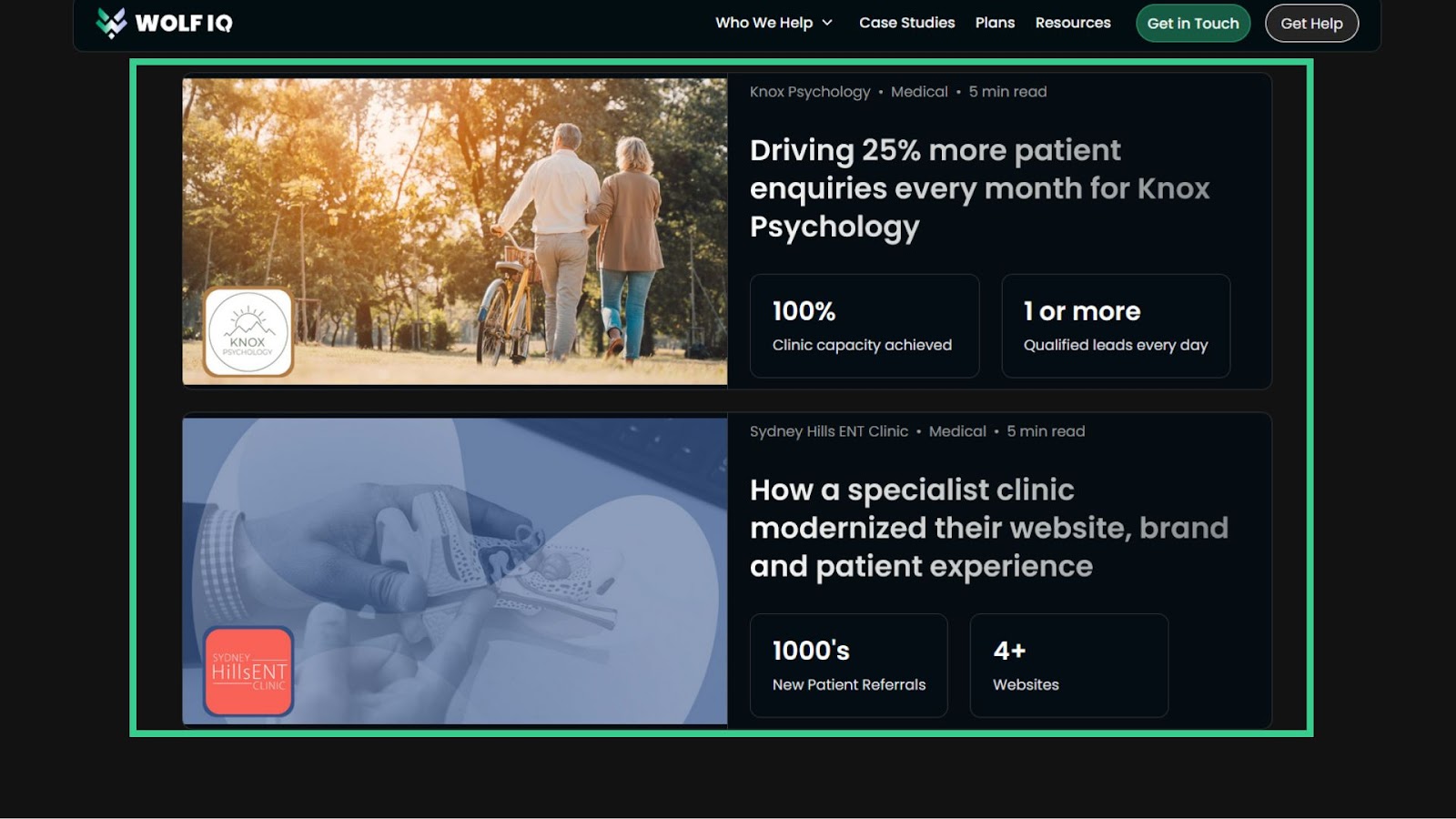
- Can you share examples of clinics where you’ve driven measurable results?
- What experience do you have navigating AHPRA advertising guidelines?
Expect:
- Proven track record with Australian healthcare providers
- Consistent growth in organic traffic and patient enquiries
- Awareness of the sensitivities around healthcare content
Just like healthcare providers operate within defined scopes, marketing agencies should work within their area of expertise.
#2. SEO Strategies and Techniques
A professional agency should explain its strategy using clear, practical examples relevant to your clinic’s goals.
Ask:
- What methods do you use to improve rankings for medical websites?
- How do you help clinics attract more local patients in more patients locally?
- Do you follow ethical SEO practices aligned with Google’s standards?
Expect:
- On-page SEO: keyword-optimised content, title tags, meta descriptions
- Local SEO: Google Business Profile updates, local citations, reviews
- Ethical practices: no unethical, such as link schemes, which violate search engine guidelines
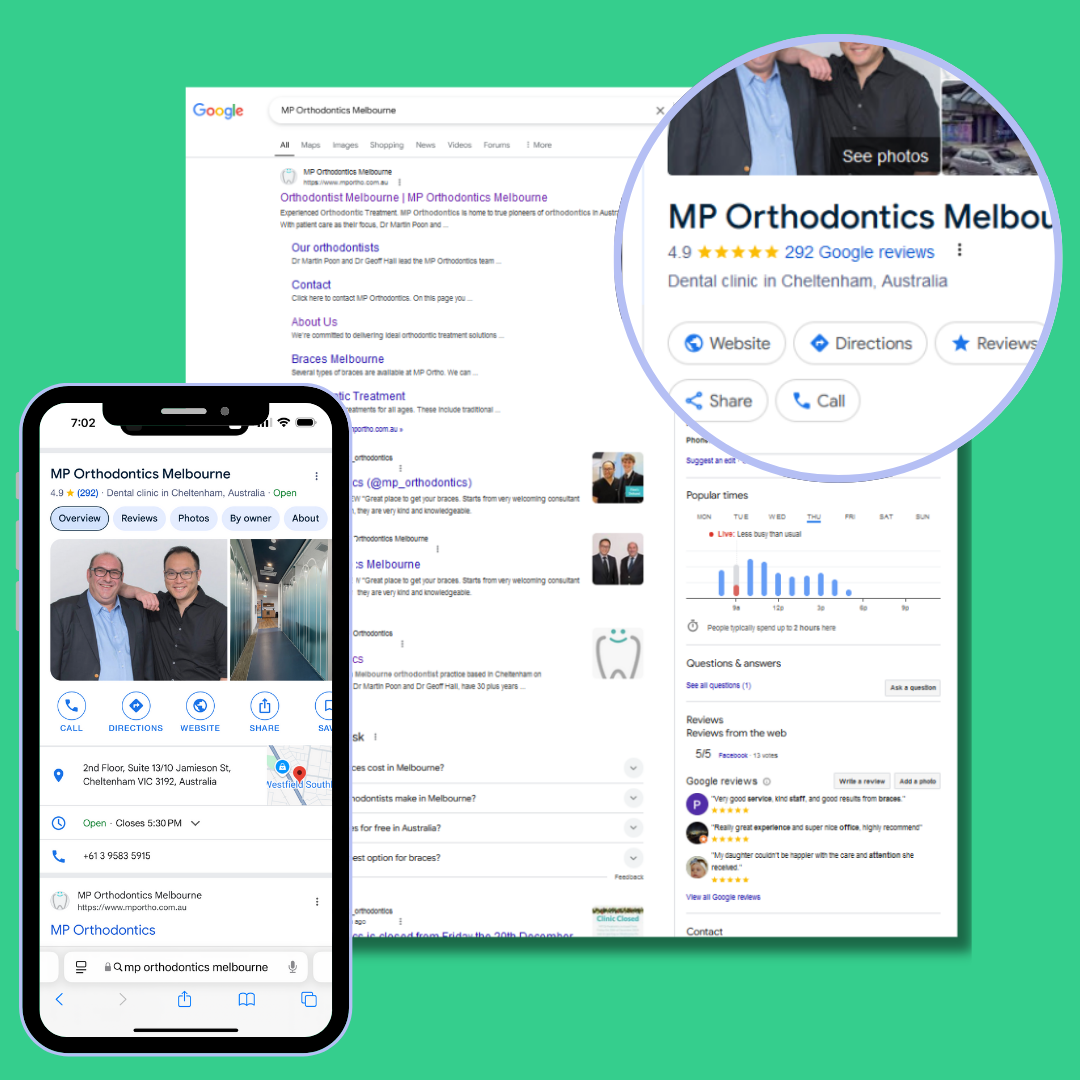
Example: A Sydney-based physiotherapy clinic might see increased visibility by targeting suburb-level searches, updating its Google Business Profile weekly, and publishing monthly blog posts that answer common patient questions.
#3. Compliance and Content Creation
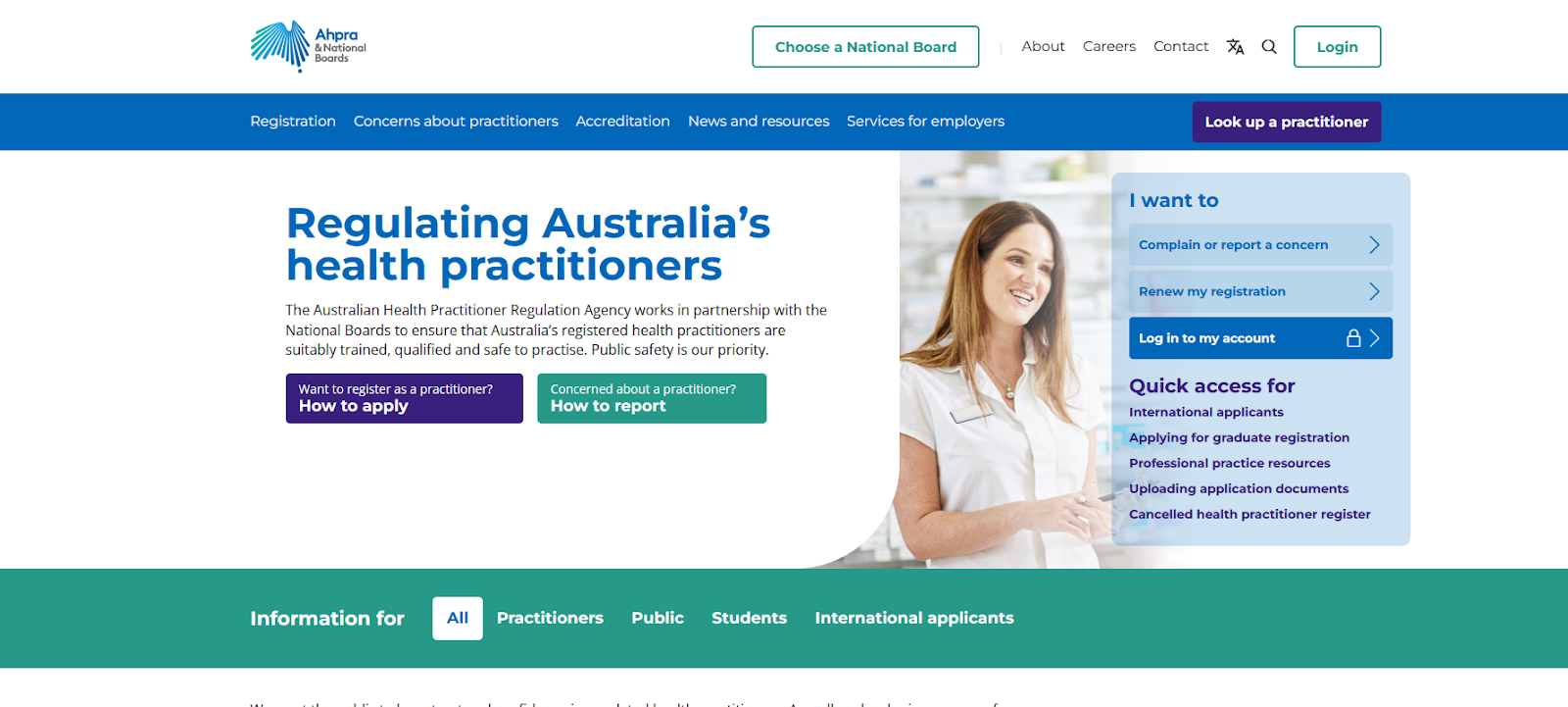
All medical content must be compliant with Australian Health Practitioner Regulation Agency (AHPRA)advertising regulations and written in a way that supports patient understanding.
Ask:
- What steps do you take to ensure content follows AHPRA guidelines?
- Do you offer content writing services, and is it medically reviewed?
- How do you approach patient testimonials and privacy concerns?
Expect:
- Use of compliance checklists for every content piece
- Writers trained in medical topics and advertising restrictions
- Documented consent processes for testimonials and patient stories
Content Compliance Summary Table
This content review approach ensures compliance with AHPRA guidelines across key content areas:
| Content Element | Agency Approach | AHPRA Aligned? |
|---|---|---|
| Treatment Information | Based on facts, no misleading claims | |
| Testimonials | Only used with documented consent | |
| Service Descriptions | Clear, no guarantees of results | |
| PPC Advertising | Inclusive, respectful, and medically appropriate |
#4. Reporting and Communication
Regular, clear reporting helps you understand what’s working and where improvements can be made.
Ask:
- What key performance indicators do you track for healthcare websites?
- How frequently will I receive updates or reports?
- Who do I contact with questions or concerns?
Expect:
- Monthly reports including keyword rankings, traffic, and conversions
- Technical recommendations and performance commentary
- A dedicated contact who understands your practice
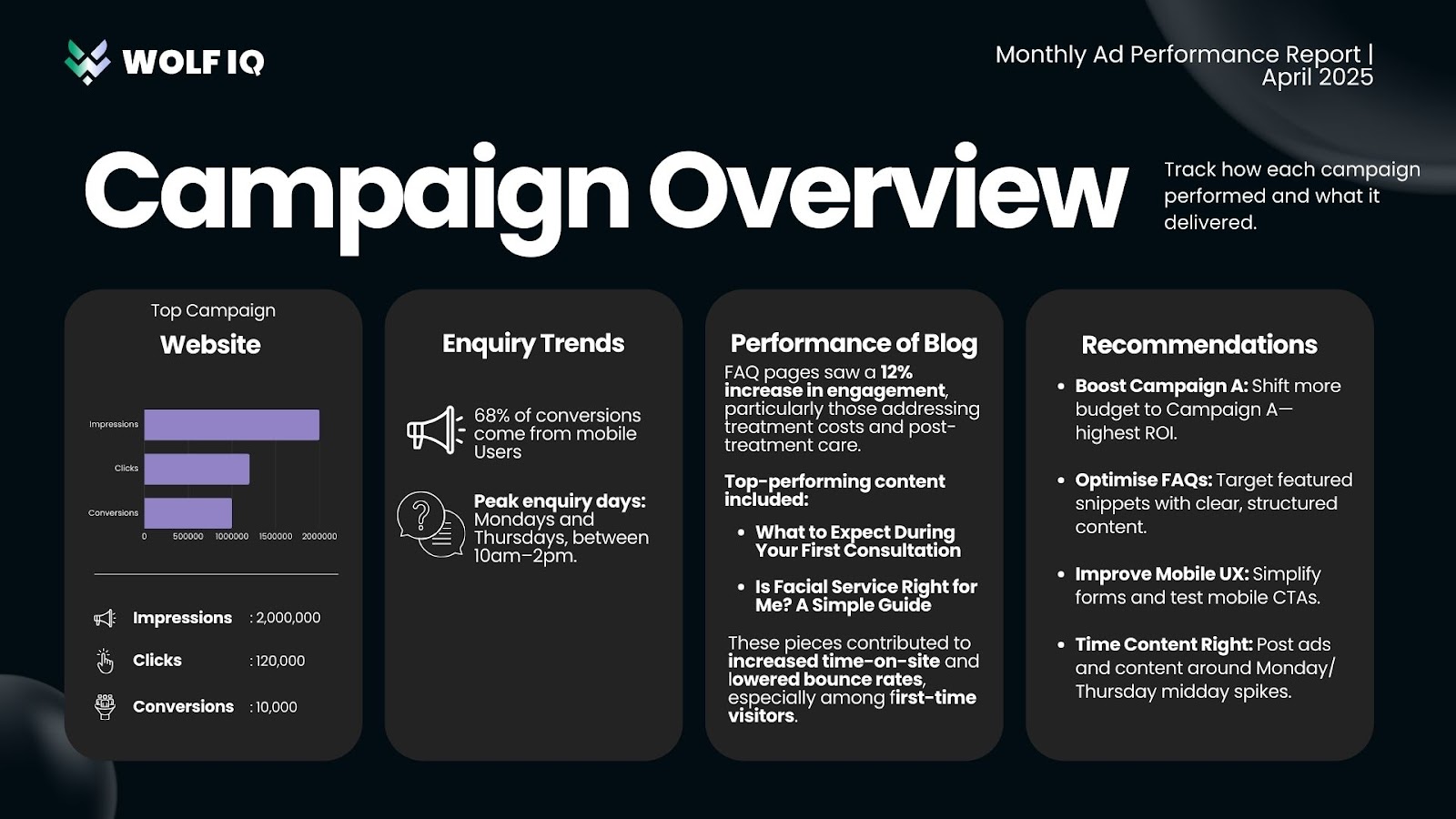
Monthly Reporting Example:
- Summary of website traffic and ranking movements
- Patient enquiry trends across form submissions and calls
- Blog or FAQ content performance
- Recommendations for ongoing improvement
#5. Pricing and Contract Terms
Before proceeding with an agency, you should understand what services are included and whether additional fees may apply.
Ask:
- Can I see a breakdown of what’s included in your standard SEO package?
- Are content creation and website changes part of the service?
- What is your cancellation or pause policy?
Expect:
- Transparent pricing with optional add-ons clearly identified
- Clarity on billing for blogs, urgent updates, or technical fixes
- Flexible contract terms with a fair notice period

Tip: Request a sample service agreement or pricing sheet for cross-agency comparison.
#6. References and Results
An established agency should be open about its track record and client feedback.
Ask:
- Can I contact any of your existing or past healthcare clients?
- Do you have online reviews or published results I can review?
- How do you approach campaigns that don’t meet initial goals?
Expect:
- Willingness to connect you with medical professionals they’ve supported
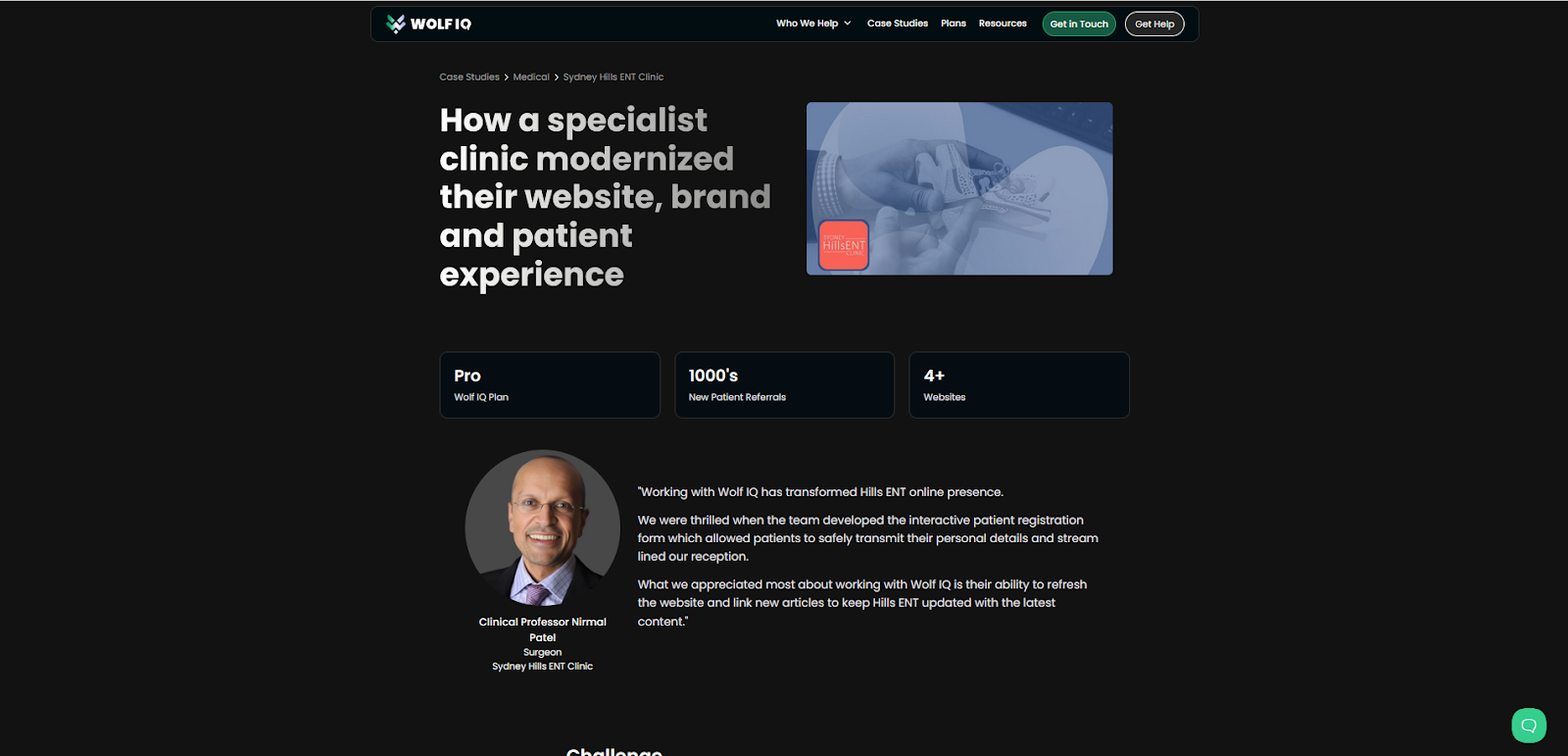
- Case studies that detail results from similar clinics
- A clear review process and willingness to improve outcomes
Conclusion
Hiring a medical SEO agency should feel like entering a true partnership, built on clear communication, proven results, and strict healthcare compliance.
Need an SEO agency in Australia? Wolf IQ has you covered.
Get started with a free consultation today
Don't just settle for a website. Thrive online with Wolf IQ.
Get in Touch Trusted by 500+ businesses
Education
Better resources, better decisions
Discover Wolf IQ's resource hub for articles and guides to growing your business online.

Is SEO Dead? What business owners need to know about Google's new AI Overview
With Google's AI Overviews taking over search, small businesses are shifting away from keyword chasing.
Learn More →
What is Local SEO and how does it work?
Local SEO helps businesses appear in searches relevant to their location, driving nearby customer traffic.
Learn More →
13 mistakes small business owners make with their website
Common website mistakes include slow load times, poor navigation, and weak calls to action.
Learn More →
Why does your website need to be mobile-first?
Mobile traffic now makes up the majority of website visitors. Here is what you need to know about responsive design.
Learn More →
8 Ways Small Business Owners Get Website Optimisation Wrong
Many small businesses overlook key factors like page speed, mobile responsiveness, and SEO, limiting their online impact.
Learn More →
What is Website Optimisation?
See some key examples where speed, design, and content can amplify your online success.
Learn More →